






San Ignacio: A Sanctuary Protected by Its People
2025-02-17

An Ethical Approach to Whale Watching
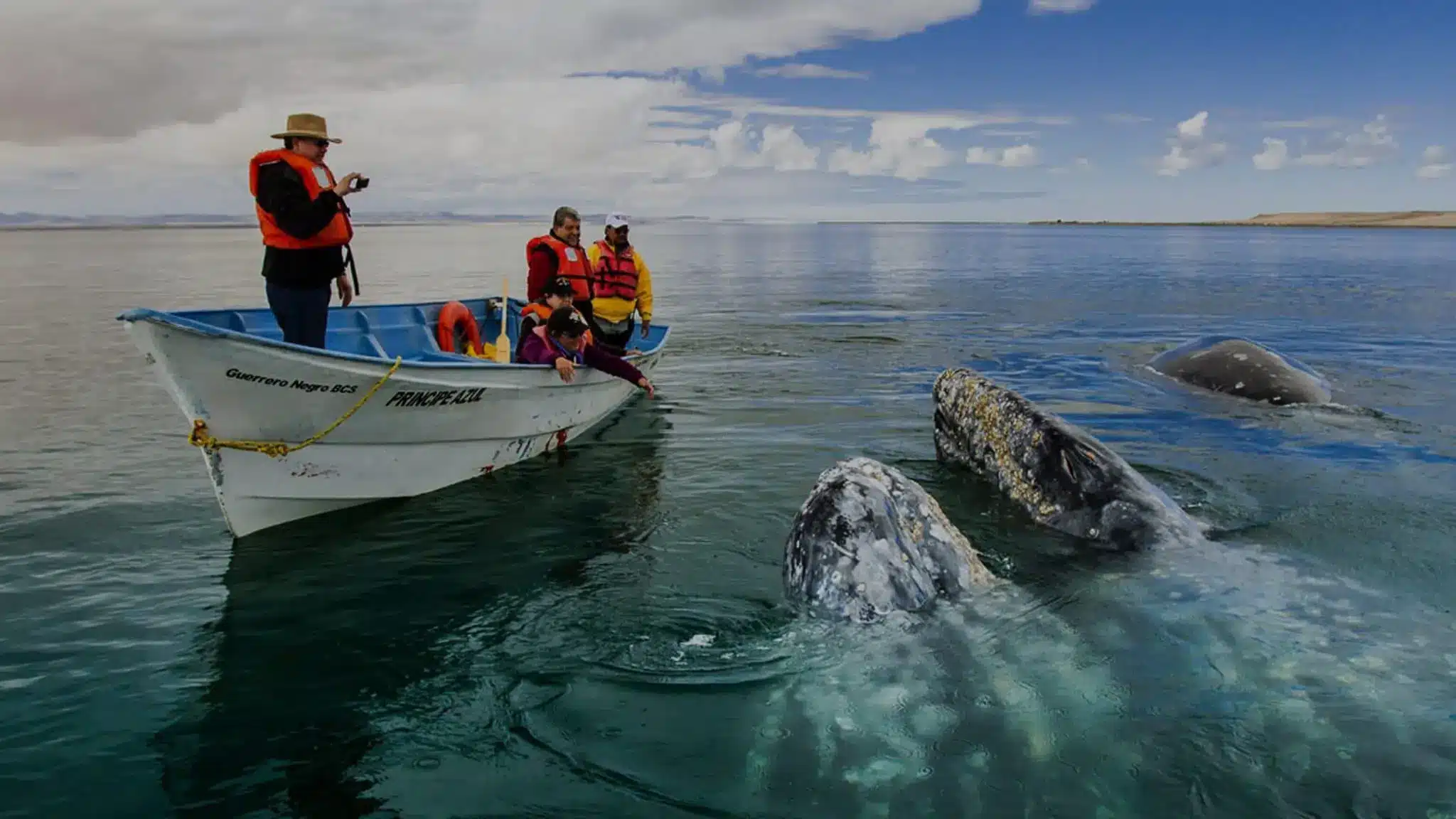
Not all whale-watching destinations offer the same experience. Around the world, boats crowd around whales, engines roaring, each one eager for a closer look. I’ve seen it myself and heard some even worse stories. But here, in San Ignacio Lagoon, things are different.
The people who call this place home—the captains, the guides, the families—choose a different path. One that puts the whales first.
Community-Led Conservation in San Ignacio Lagoon
Beyond Mexico’s federal regulations, the local community sets its own standards to ensure that whale watching remains sustainable and respectful. The community limits the lagoon to no more than 16 local pangas at any one time. Each tour runs for 90 minutes, with mandatory breaks between double sessions so both whales and guides can rest. The lagoon operates on a strict schedule—boats leave at 8 a.m. and return by 5 p.m., leaving evenings and nights undisturbed for the whales. A local sheriff watches over the lagoon and enforces these rules, a quiet but firm reminder that in San Ignacio, conservation isn’t just a policy—it’s a commitment.
What makes this place even more special is the willingness to pass down this knowledge. Experienced captains and guides teach newcomers how things are done here. With the understanding that true whale watching isn’t about chasing encounters but about patience and respect. The lagoon is not just a sanctuary for whales—it’s a school for those who wish to protect them. San Ignacio stands as a shining example that when a community works together to safeguard its natural treasures, there is hope—not just for the whales, but for the future of responsible ecotourism.
– by Scarlett, Naturalist and Whale Watching Guide
🎥 From Fear to Friendship: The Remarkable Story of Whale Watching in San Ignacio Lagoon
Frequently Asked Questions
Are gray whales endangered?
The Eastern Pacific gray whale population has recovered well from historic whaling practices. Decades of conservation have helped the population rebound, and thankfully, they are no longer considered endangered.
How do I know if a whale watching tour operator follows ethical or sustainable practices?
Start with a little research. Look for operators who are transparent about following lagoon regulations, limit time on the water, never chase or bait whales, and actively support local conservation efforts. For a closer look at how this works in practice, explore our section on ‘Ethical and Respectful Whale Watching in San Ignacio Lagoon.’
Can I swim with gray whales?
No, swimming with gray whales is not permitted. However, respectful boat-based encounters can often result in close-up interactions with San Ignacio’s “friendly” gray whales.
When is the best time to see gray whales?
The best time for gray whale watching in Baja is typically January through April, with peak encounters in February and March.
Want to know more about whale watching in Mexico? This ultimate guide features Baja California’s diverse whale species, along with when and where to spot them in the wild.