
How Do Whales Sleep?
Do Whales Sleep? How Do Whales Rest Without Drowning
If you’ve ever watched a whale surface, breathe, and slip back beneath the waves, you might have wondered: Do whales sleep? And if they do… how do whales sleep without sinking, drifting, or forgetting to breathe?
It turns out whale sleep is one of the most fascinating balancing acts in the animal kingdom — part survival skill, and part ocean magic.
Do Whales Sleep?
Yes — whales absolutely sleep. They just don’t do it the same way we do.
Unlike humans, whales can’t fully “switch off” their brains. As mammals, they need to surface to breathe, even while resting. Falling into a deep, unconscious sleep would be dangerous — potentially fatal — in the open ocean.
So instead, whales have evolved an ingenious solution: they rest one half of their brain at a time.
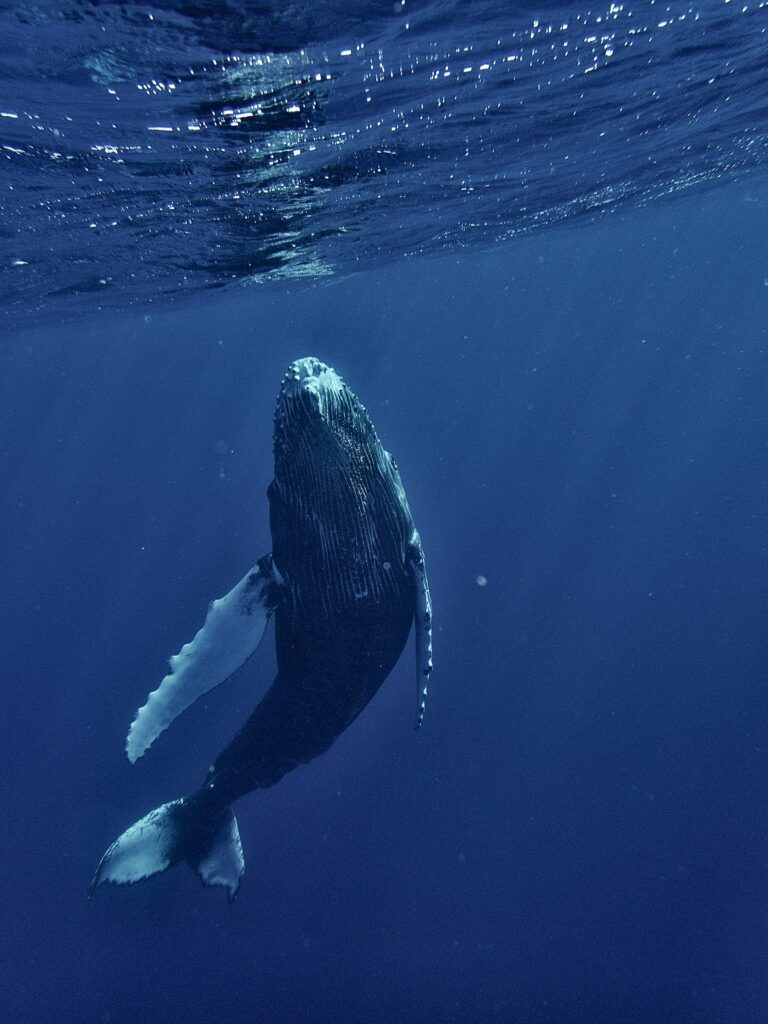
How Do Whales Sleep Without Drowning?
This phenomenon is called unihemispheric slow-wave sleep — a fancy term that simply means half the brain sleeps while the other half stays awake.
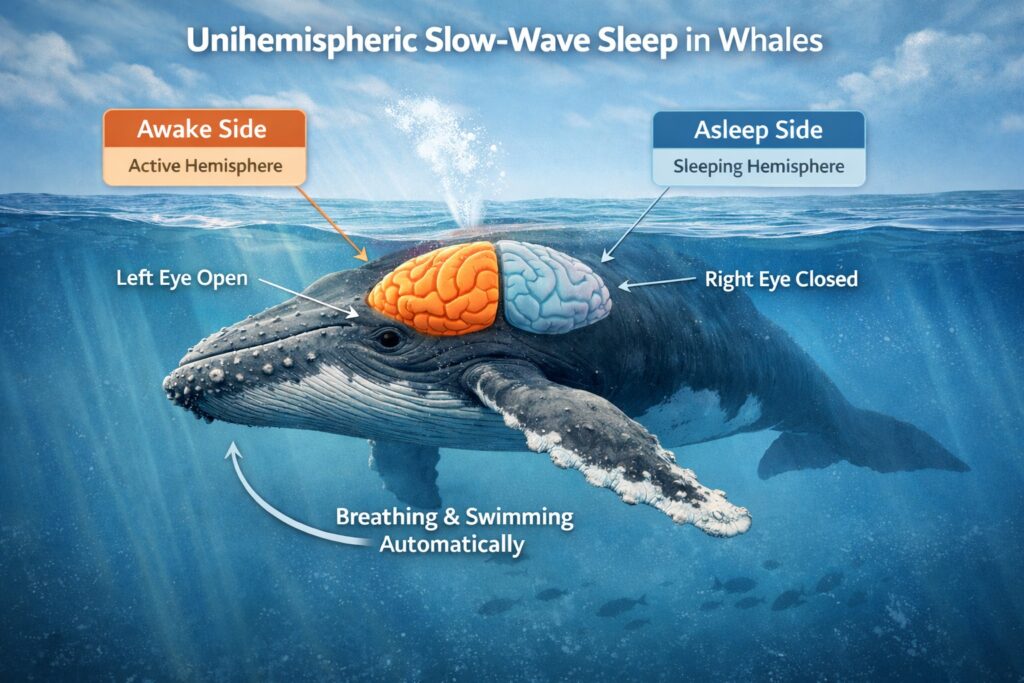
While one hemisphere rests, the other remains alert enough to:
- ⟡ Control breathing
- ⟡ Maintain body position
- ⟡ Stay aware of their surroundings
Then the roles switch. Think of it as the ultimate power-nap system — perfectly adapted for life at sea.
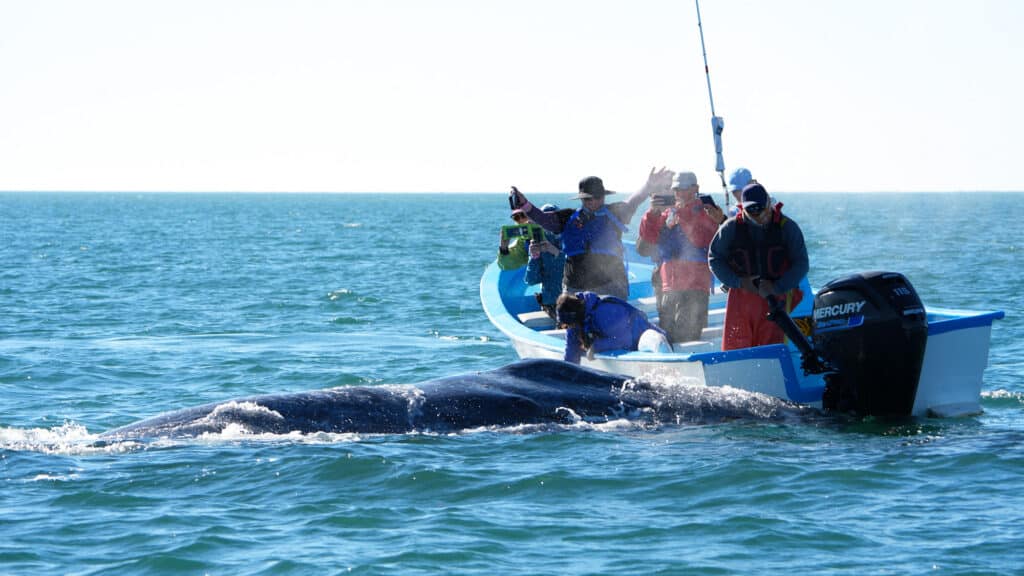
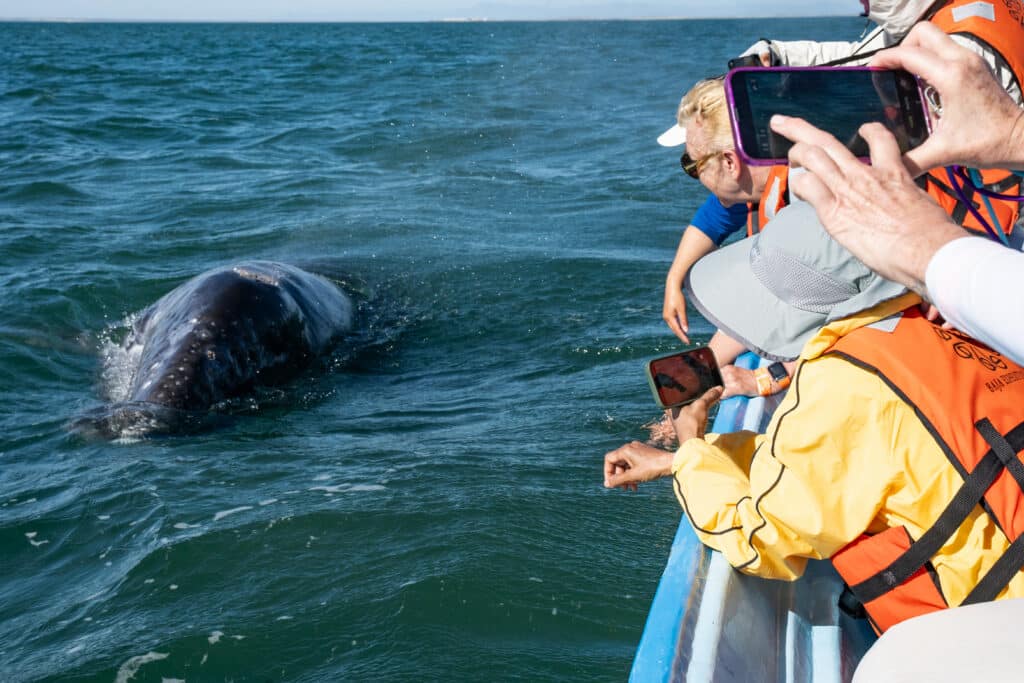
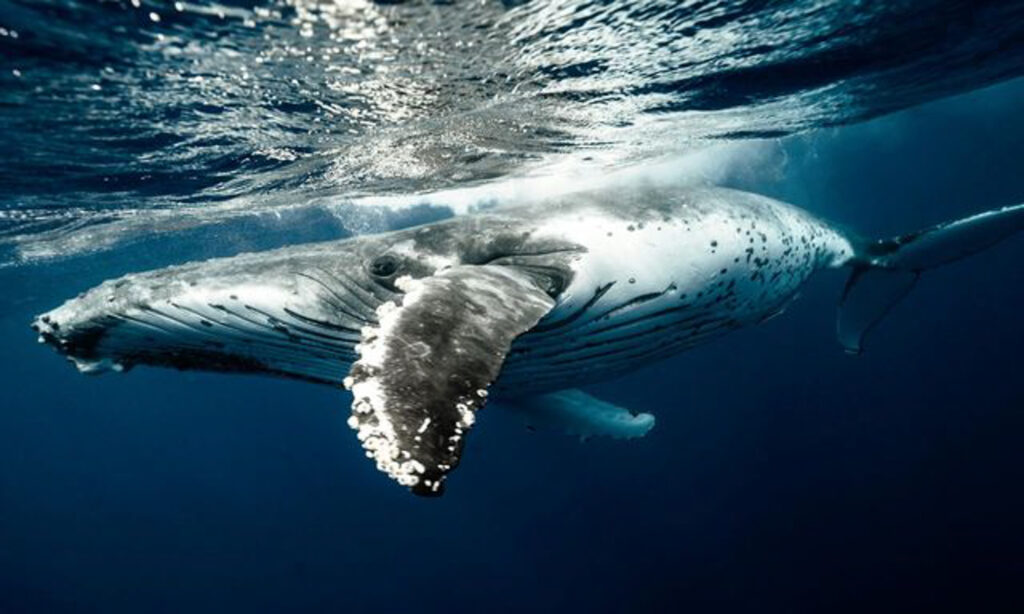
Some whales rest near the surface, gently floating and rising to breathe. Others drift slowly forward or rest vertically in the water column. In calm, protected places like the lagoons and sheltered waters of Baja California Sur, whales can truly relax — which is one reason these areas are so important.
Safety in Numbers: Why Some Whales Sleep Together?
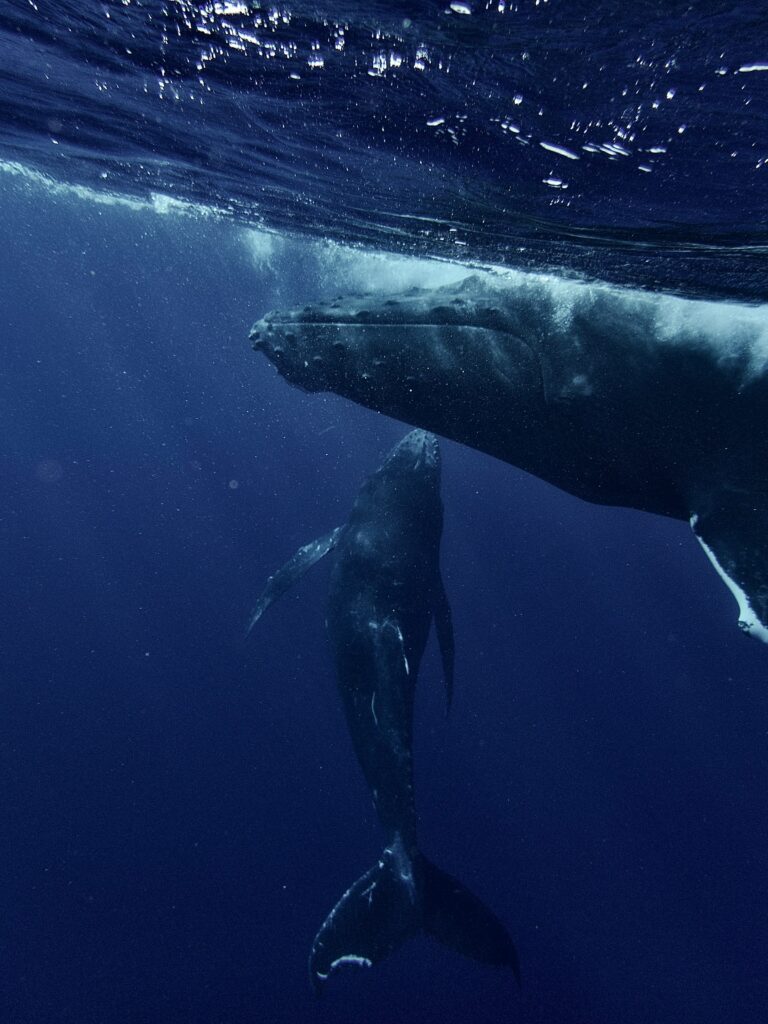
There’s safety in numbers. Many whales, especially mother and calf pairs, don’t sleep alone because staying close to others helps them maintain breathing rhythms and avoid predation.
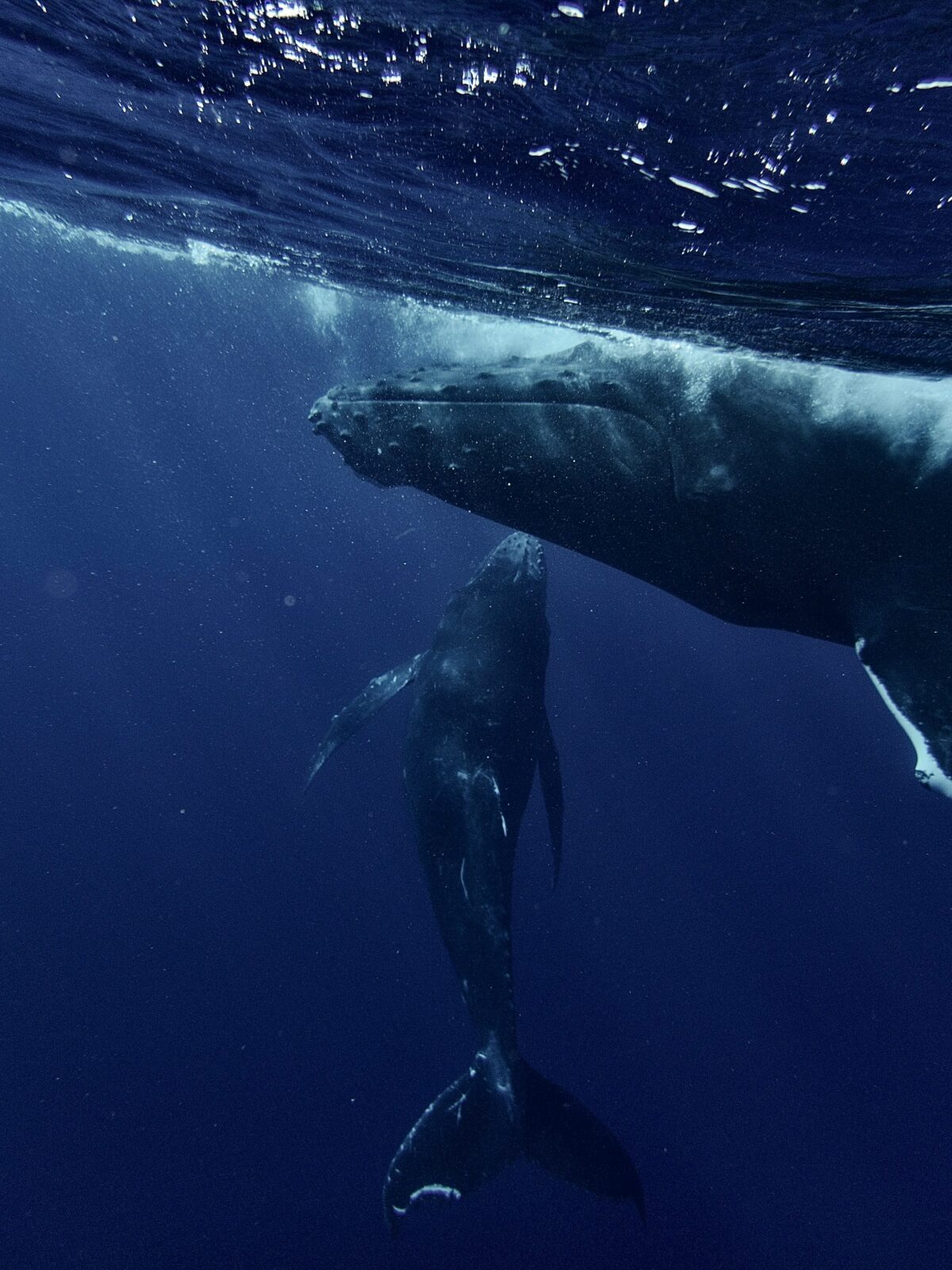
Mothers and calves are often seen resting side by side, moving slowly or floating quietly together. The mother stays alert because she must help her baby surface to breathe and protect it from danger. These peaceful moments — sometimes called logging — are among the most intimate whale behaviors to witness.
It’s also why whale encounters can feel so emotional. It’s about more than seeing a whale in the wild. In these moments of rest, it’s about trust and connection.
…Returning to San Ignacio Lagoon feels like coming home with old friends, even though it’s not always the same whales; it feels like being with family. We saw a small pod of dolphins hunting, coyotes, many birds, and, as usual, beautiful landscapes at sunset and sunrise.
We also saw the first baby of the season, very small, perhaps only a couple of weeks old. It was a great start!!!“– by Captain Mike, 20 January 2026
When and Where Do Whales Rest?
Whales don’t have a strict bedtime, but they tend to rest in short periods throughout the day and night. Calm seas, quietness, and reduced threats all play a role.
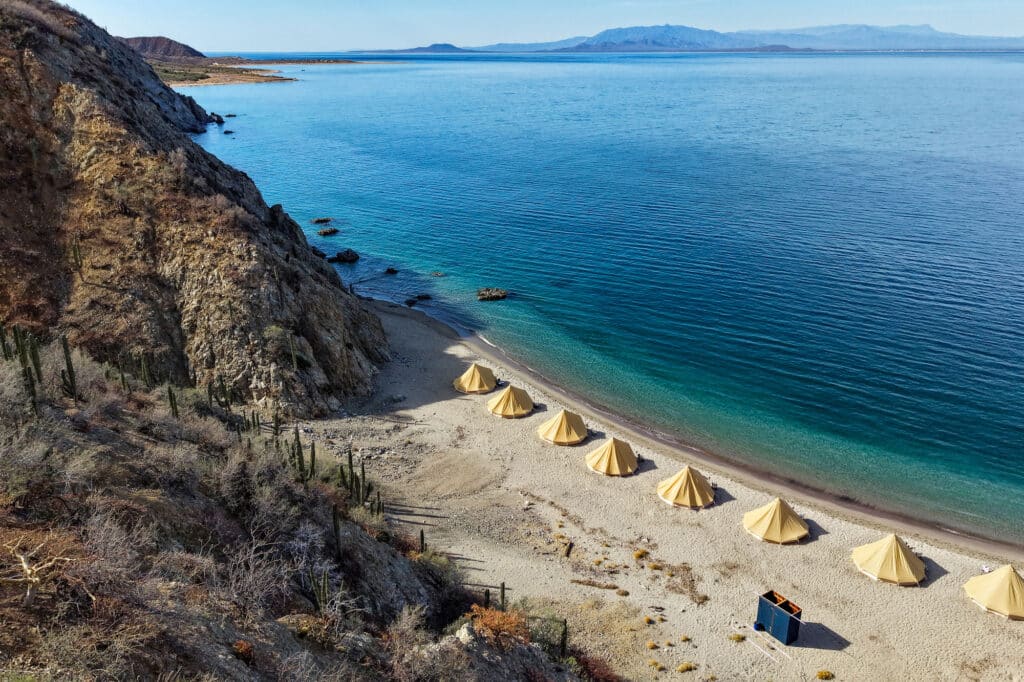
This is where Baja comes in. The Sea of Cortez and Baja’s Pacific lagoons offer:
- ⟡ Sheltered waters
- ⟡ Minimal wave action
- ⟡ Rich feeding grounds nearby
For migrating whales — especially mothers with calves — Baja provides a place to rest, nurse, and recover energy before making their return journey.
Whale Sleep: Why Conservation Matters
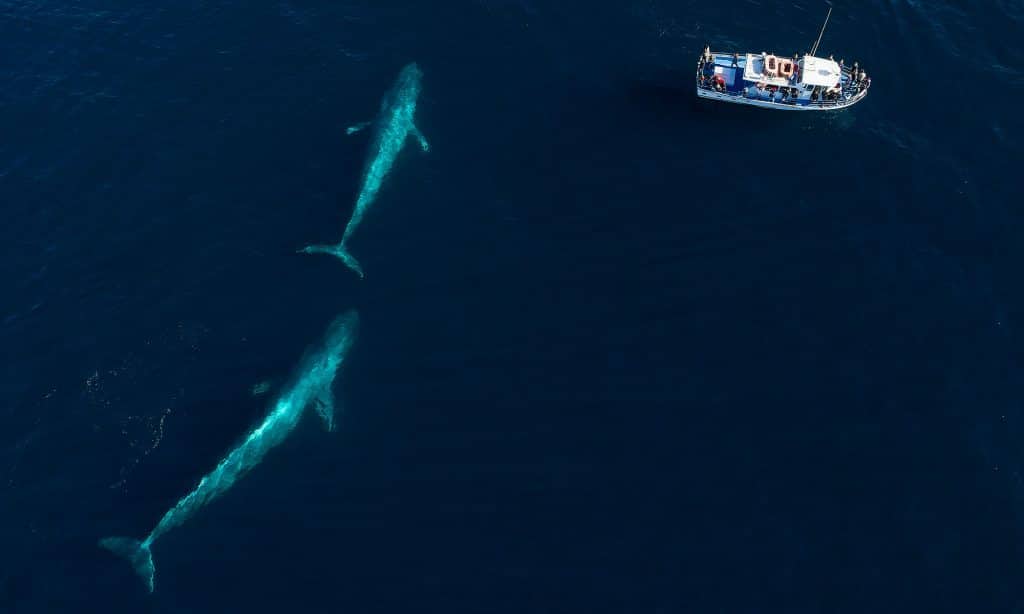
Understanding how whales sleep reminds us just how finely tuned these animals are to their environment — and how vulnerable that balance can be. Noise pollution, vessel traffic, and disturbance can interrupt rest, especially for calves that rely on quiet waters to conserve energy, learn, and grow.
Marine biologists and naturalists have long observed these resting behaviors in whales during migrations and in protected lagoons like those of Baja California Sur. In places like San Ignacio Lagoon, local communities and conservation efforts combine to protect whale habitats. These quiet moments of rest are treated as something sacred rather than something to interrupt.
All animals need rest for survival. Therefore, choosing respectful, ethical wildlife tours makes a difference.
So next time you see a whale floating calmly at the surface or moving slowly through glassy water, remember: it might not be awake… but it’s not fully asleep either. Just resting, one half-dream at a time.
Further Reading & Sources: The Science Behind Whale Sleep
Understanding how whales sleep comes from years of marine mammal research, including observational studies, acoustic monitoring, and physiological research on cetacean brain activity.
Britannica Encyclopaedia: ‘Do Whales Sleep?’
NOAA: Marine Mammals
Smithsonian Ocean, NMNH: Whales and Dolphins – Sleeping While Swimming
Scientific American: ‘Sleeping with Half a Brain’
Baja Expeditions: ‘Witnessing a Gray Whale Calf’s Early Moments’, by Scarlett M, Naturalist
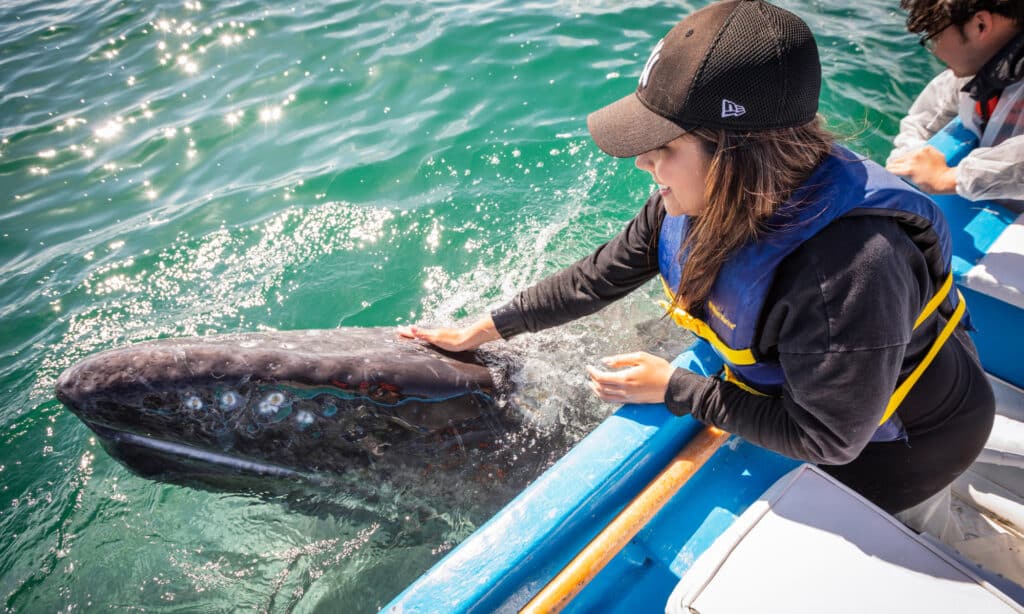
🎥 ‘A beautiful gray whale swimming right next to our boat in San Ignacio Lagoon.’
Experiencing whales in Baja California Sur — from close-ups in sheltered lagoons to open ocean encounters — adds an entirely new layer of appreciation for them. A chance to learn about their behavior and resilience, and admire whale intelligence.

By Baja Expeditions Crew
The Baja Expeditions crew is the heart and soul of every journey. With decades of hands-on experience in marine biology, guiding, and local ecology, our passionate team shares their knowledge and love for Baja California in every blog post.
View Baja Expeditions Crew