
How to Plan a Whale Watching Trip: A Complete Guide
A great whale watching trip starts long before you step aboard the boat. Knowing how to plan a whale watching trip — from choosing the right destination and season to deciding what kind of experience you want — can make all the difference.
But there’s one thing no itinerary can guarantee: what the whales will do when you get there. That’s part of the appeal. You can plan the trip carefully, then leave a little room for the unexpected.
Here’s what to consider when planning a whale watching trip that’s enjoyable, responsible, and gives you the best chance of a memorable encounter.
Decide What Kind of Whale Watching Experience You Want
First, think about the experience you’re looking for. A few hours on a boat from a coastal resort can be an easy introduction to whale watching, while a multi-day expedition gives you more time on the water and the opportunity to explore different habitats.
Who you travel with matters, too. Families may prefer shorter adventures, while wildlife enthusiasts and photographers often appreciate having several days to follow the action.
There’s no right or wrong way to do it. Just remember that whale watching is wildlife watching, and wildlife… well… it doesn’t always stick to the schedule.
Choose the Right Destination for Your Whale Watching Trip
The destination you choose should come down to two things: which whales you want to see and what kind of experience you want to have.
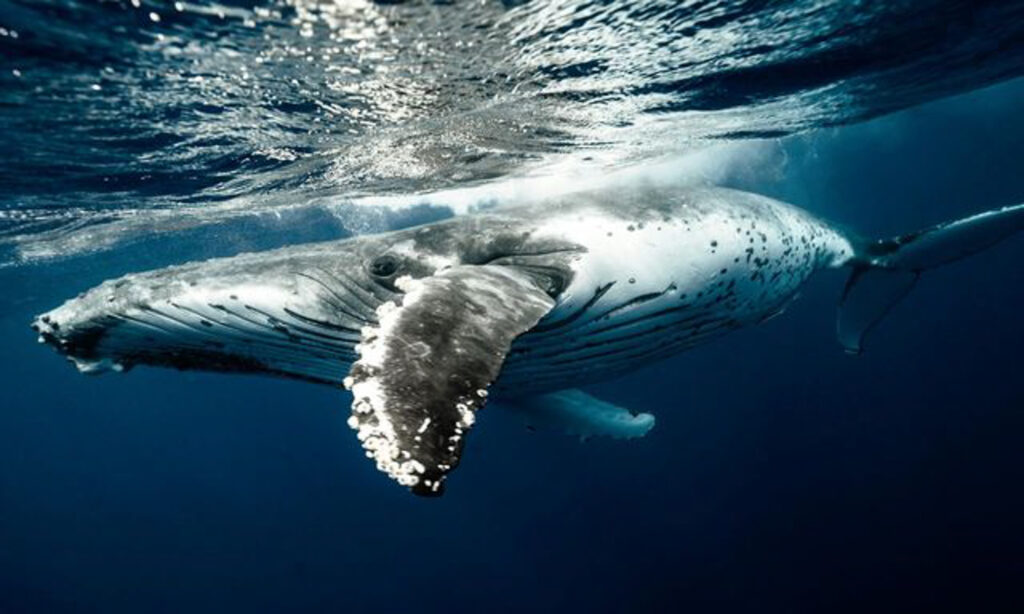
Baja California is particularly rewarding because its Pacific coast, lagoons, and Sea of Cortez waters support an impressive variety of marine life year-round. During winter, gray whales in Baja are a major attraction, with the protected lagoons providing important breeding and nursery habitat.
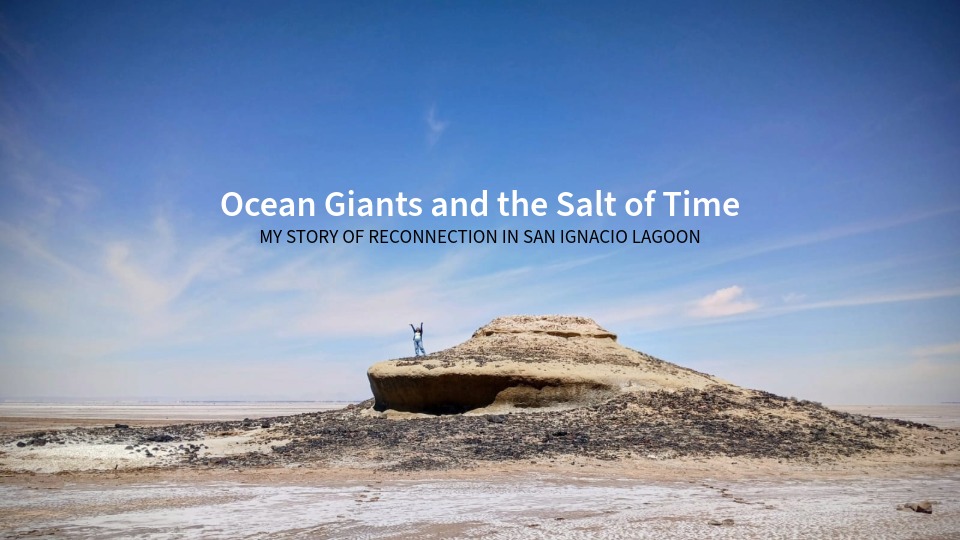
For a close-up experience, San Ignacio Lagoon whale watching offers the chance to observe gray whales in a remarkably intimate setting. For something shorter and super accessible, whale watching in Cabo San Lucas day trips can be a great option.
However, for those who want to see more of the region’s coastline and wildlife, immersive multi-day Baja California whale watching tours open up a much bigger part of the peninsula.

Pick the Optimal Time for Whale Watching
There isn’t one universal “best” time for whale watching. It depends on the species, location, and behaviours you’re hoping to see.
In Baja, gray whales typically arrive in the Pacific lagoons during winter, with the season running roughly from January through April. Other whale species have different seasonal patterns, so it’s worth checking what’s happening in your chosen destination before booking.
If your dates are flexible, start with the wildlife rather than the calendar. Choosing a period when your target species is likely to be present gives you the best starting point — but there are no guarantees of exactly what you’ll see.
Book With a Trusted Tour Operator
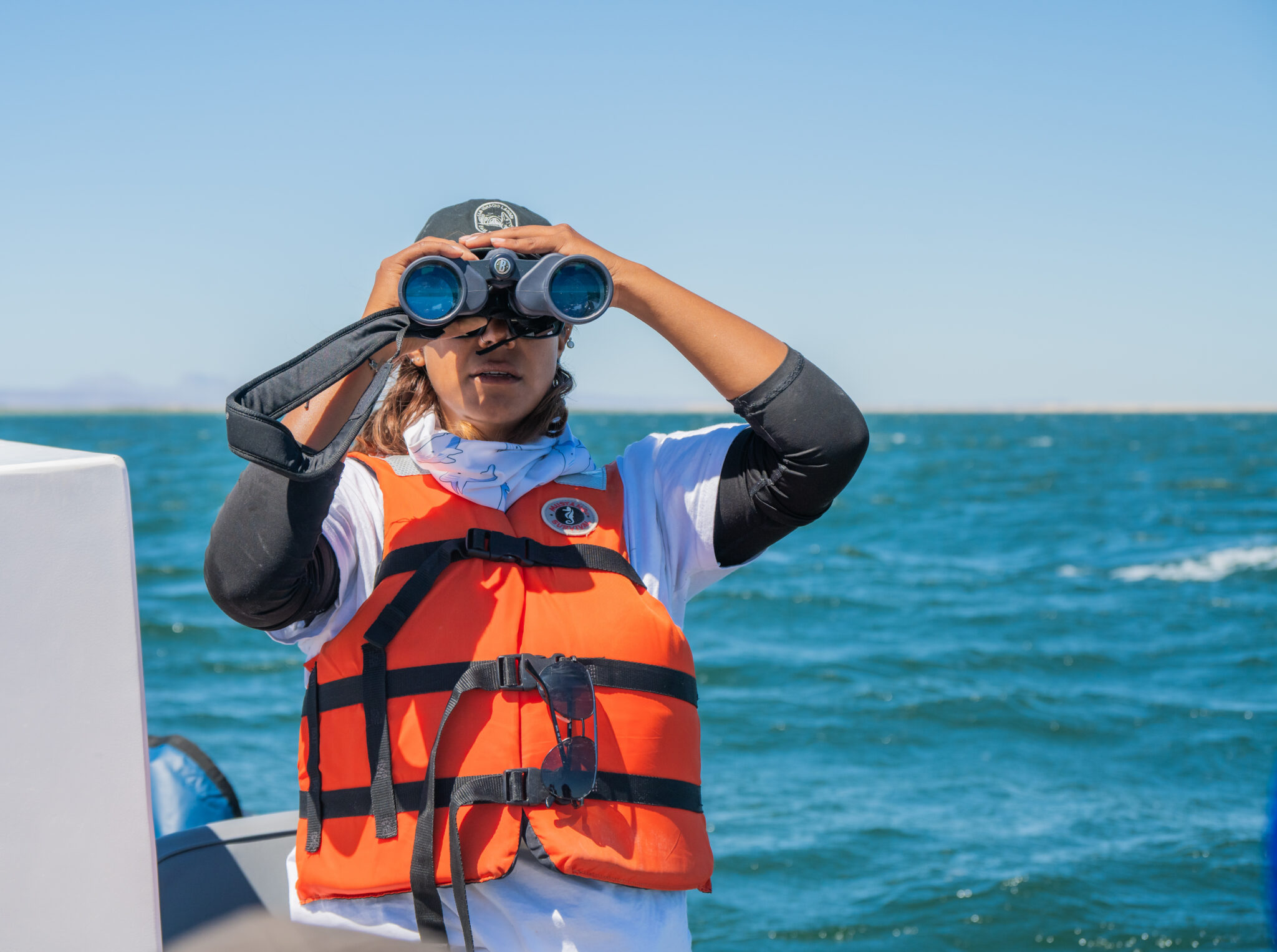
The operator you choose matters just as much as where you go. Look for experienced crews, knowledgeable naturalist guides, appropriate boats, clear safety procedures, and a genuine commitment to responsible wildlife watching.
A good operator also understands that conditions can change. Whales move, weather shifts, and sometimes the right thing to do is wait, change course, or simply enjoy what’s happening around you.
Why Choose Baja Expeditions for Your Whale Watching Trip
We’ve been exploring Baja’s waters for decades, and our trips are built around the region’s wildlife and seasonal rhythms. Experienced naturalist guides, small-group experiences, and thoughtfully designed itineraries give guests time to experience Baja rather than simply pass through it.
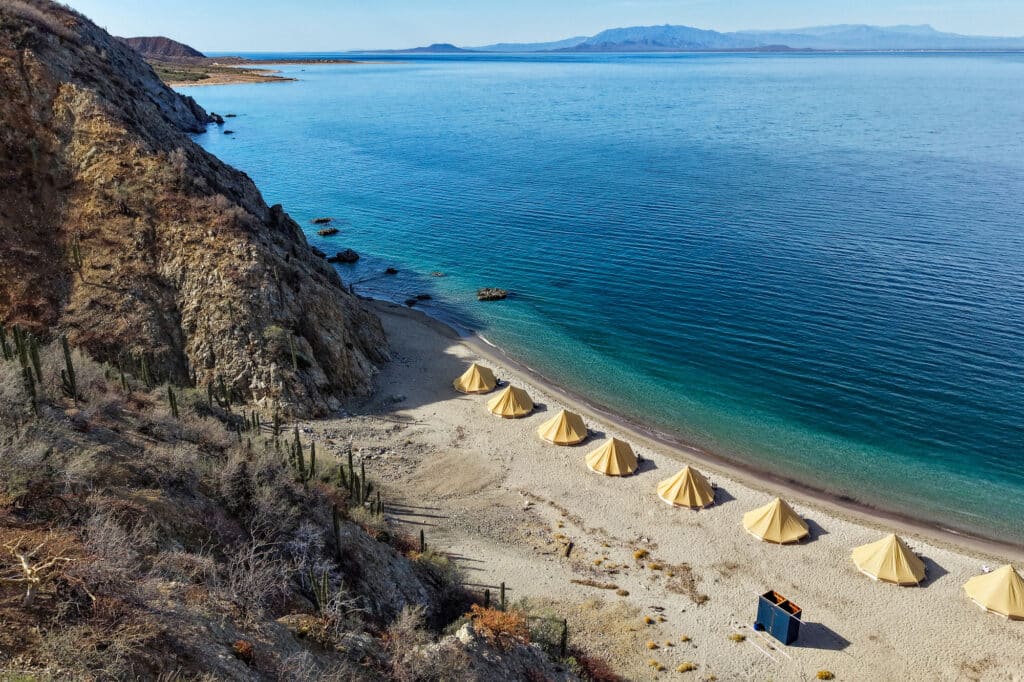
At San Ignacio Lagoon, our seasonal camp puts guests right in the heart of one of Baja’s most remarkable gray whale habitats. Elsewhere, multi-day expeditions explore a much wider stretch of the peninsula and its marine life.
Our aim is simple: give you the best opportunity to encounter these animals while allowing them to behave naturally.
Prepare for the Trip: Practical Tips
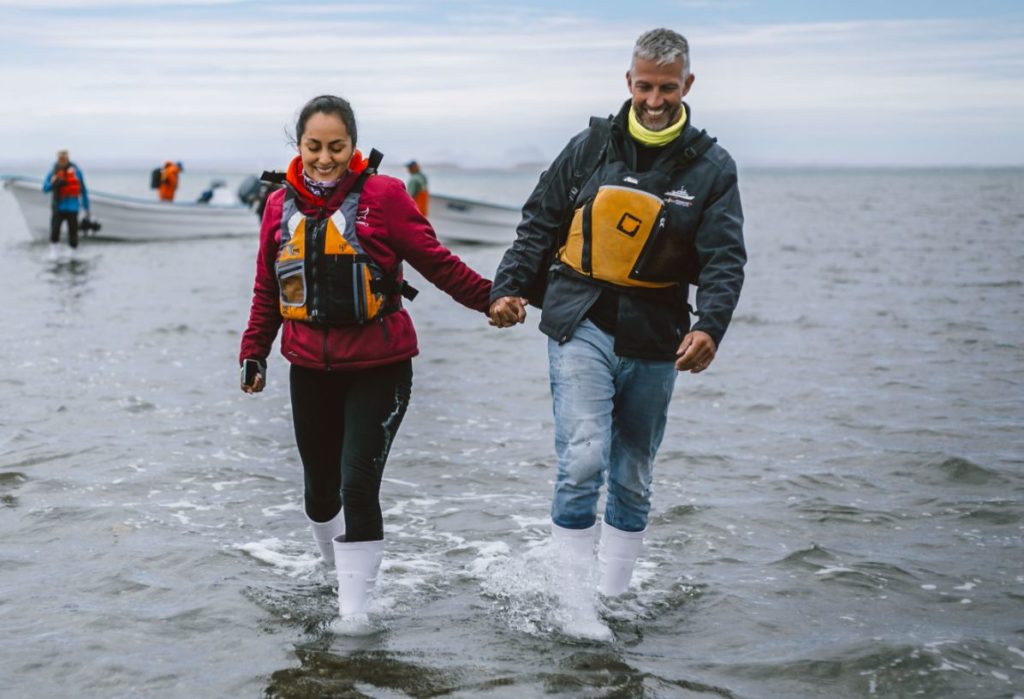
Conditions on the water can be very different from those on shore, so layers are your friend. Bring warm clothing, sun protection, comfortable footwear, and a waterproof or windproof outer layer.
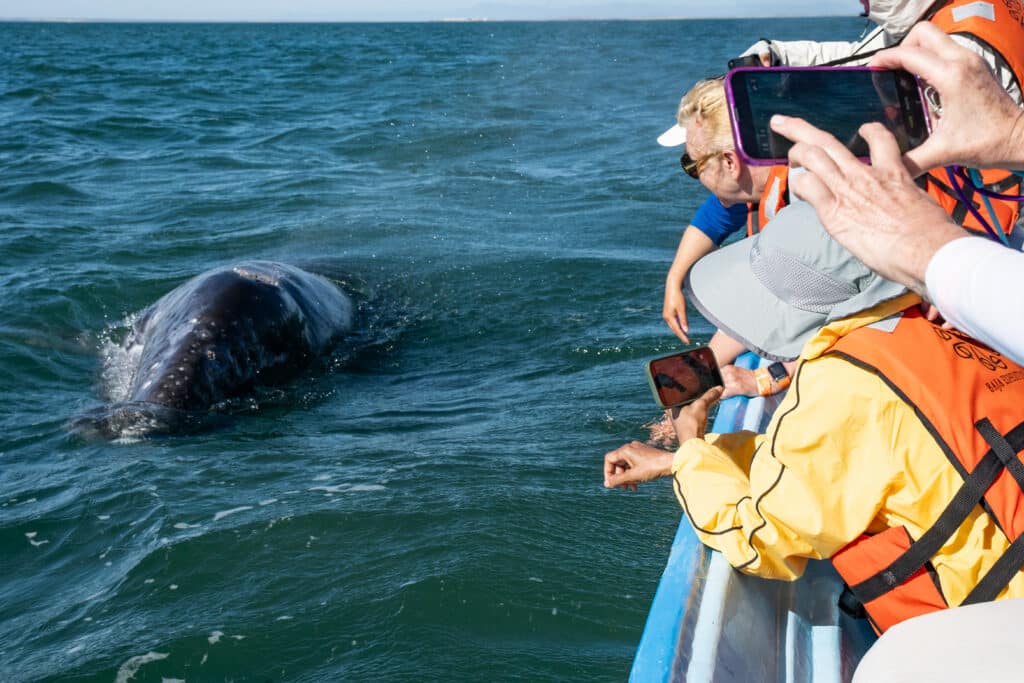
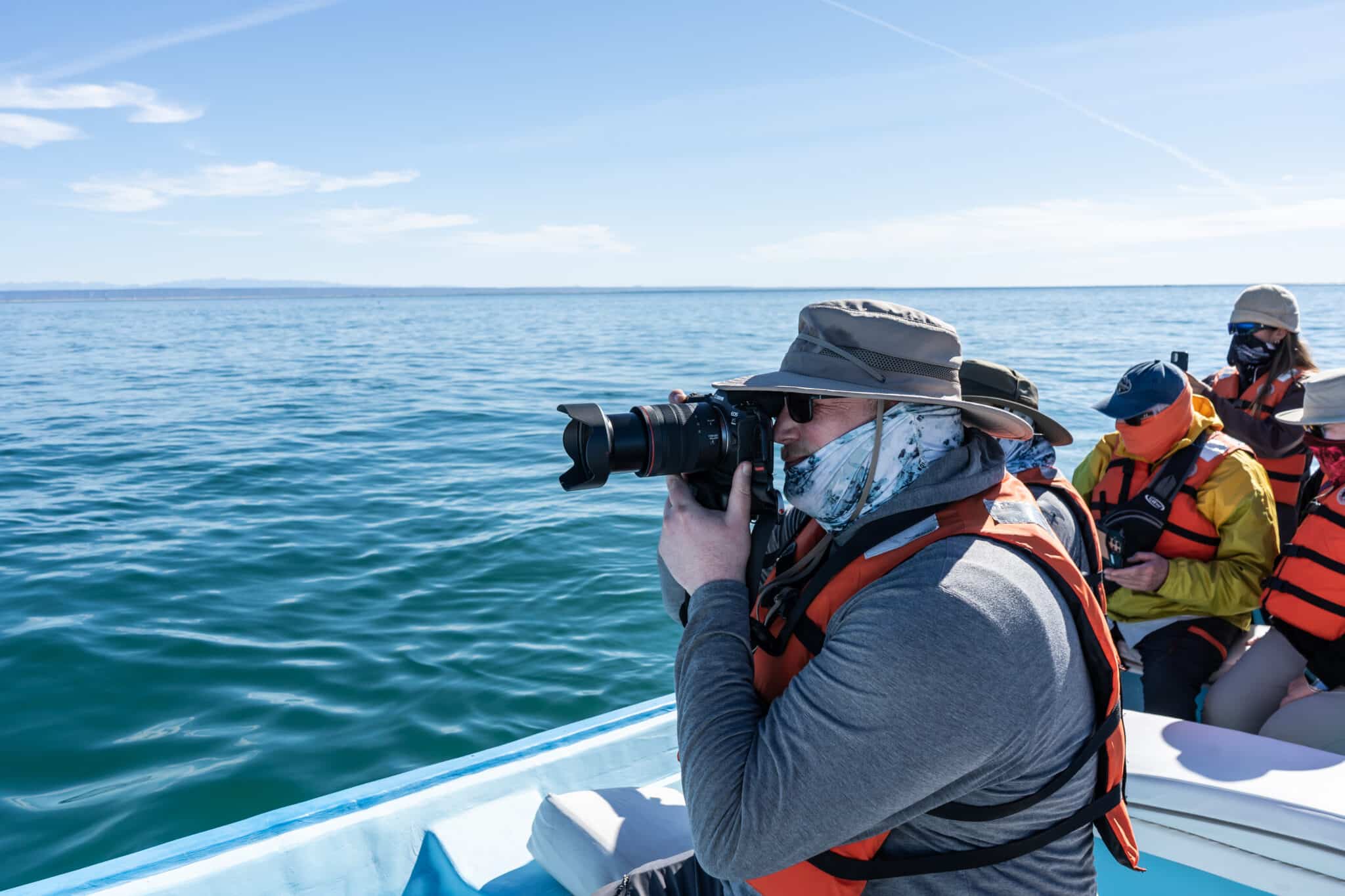
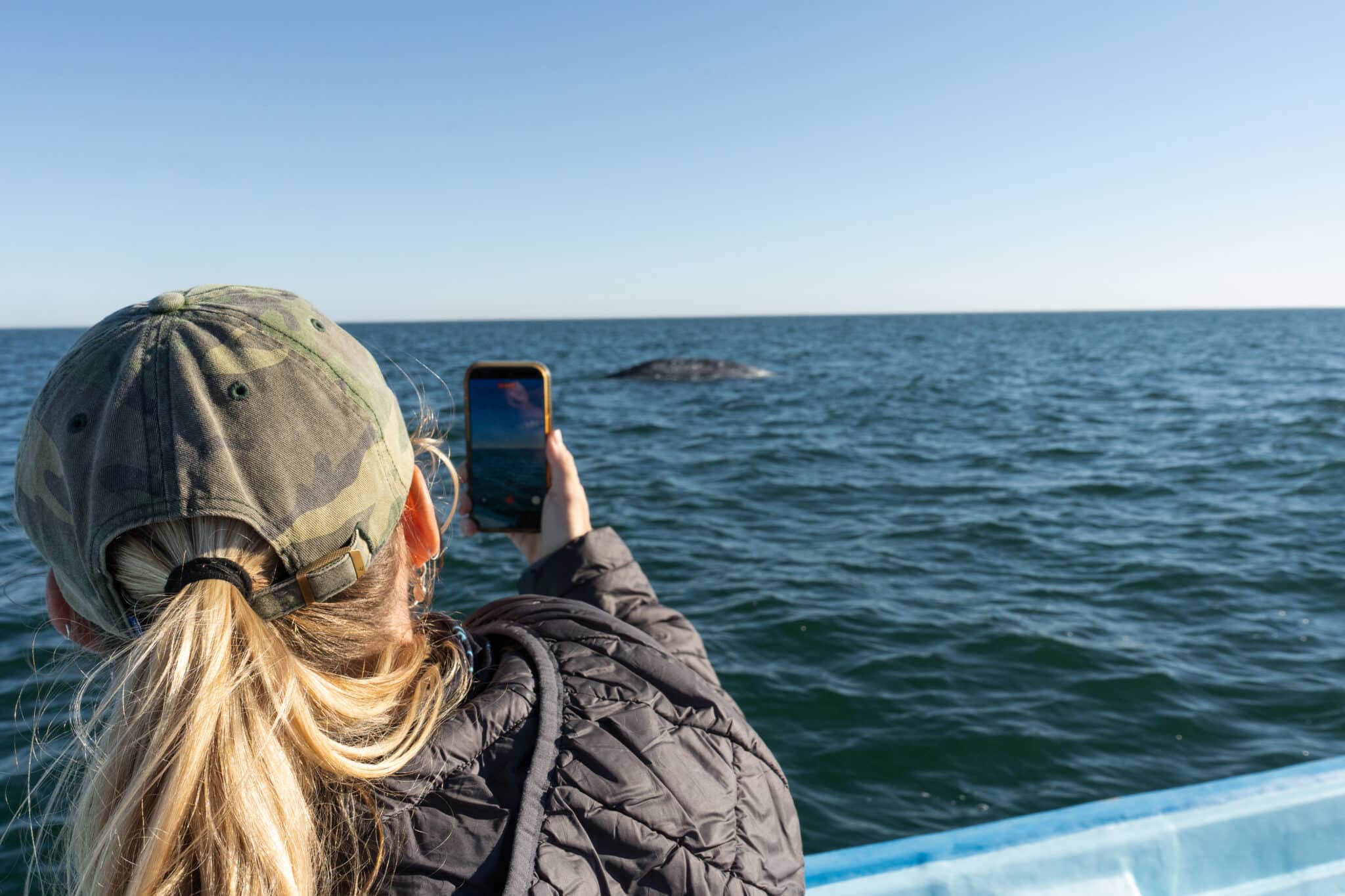
Binoculars can be useful for distant sightings, while a camera or phone with some zoom will help you capture the action. But don’t spend the whole trip looking through a viewfinder. Some moments are better experienced than photographed.
🧳 What to pack: From layers and sun protection to camera gear, our whale watching packing list covers the essentials.
On the Water: What to Expect During Your Whale Watching Trip
Once you’re on the water, patience becomes part of the experience. Your guide might spot a blow in the distance, then spend time watching the animal’s movements before deciding where to go next.
And sometimes, the wildlife simply takes over. On March 9, 2026, one of our captains recorded an especially memorable day:
“The highlight was 2 humpback whales, a blue whale, and bottlenose dolphins all at the same time.”
That’s the beauty of spending time on the water in Baja. You might set out hoping to see one particular species and find yourself watching several at once. On another day, the highlight could be a whale surfacing unexpectedly close by, a pod of dolphins racing alongside the boat, or simply watching a whale’s behaviour unfold over time.
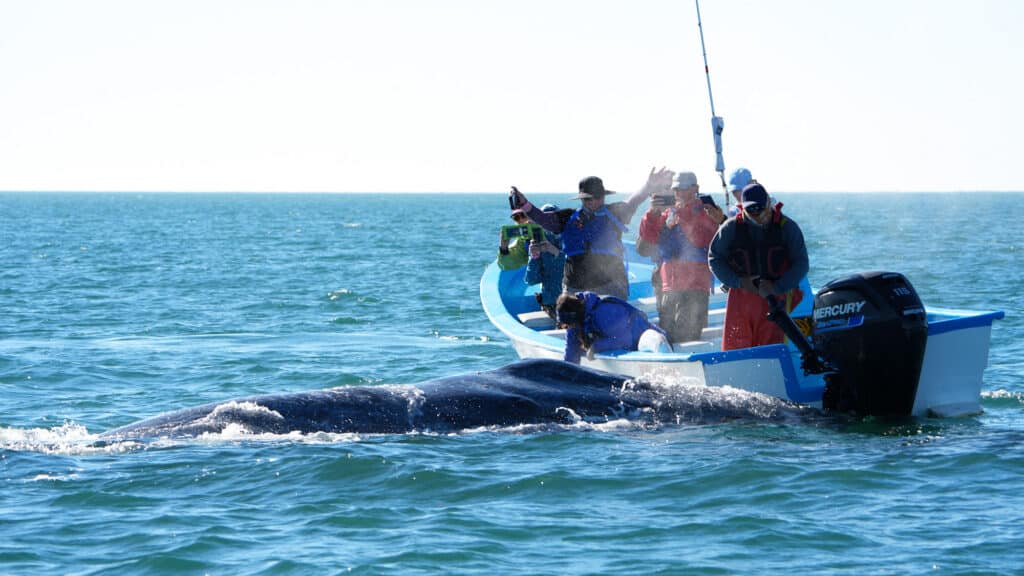
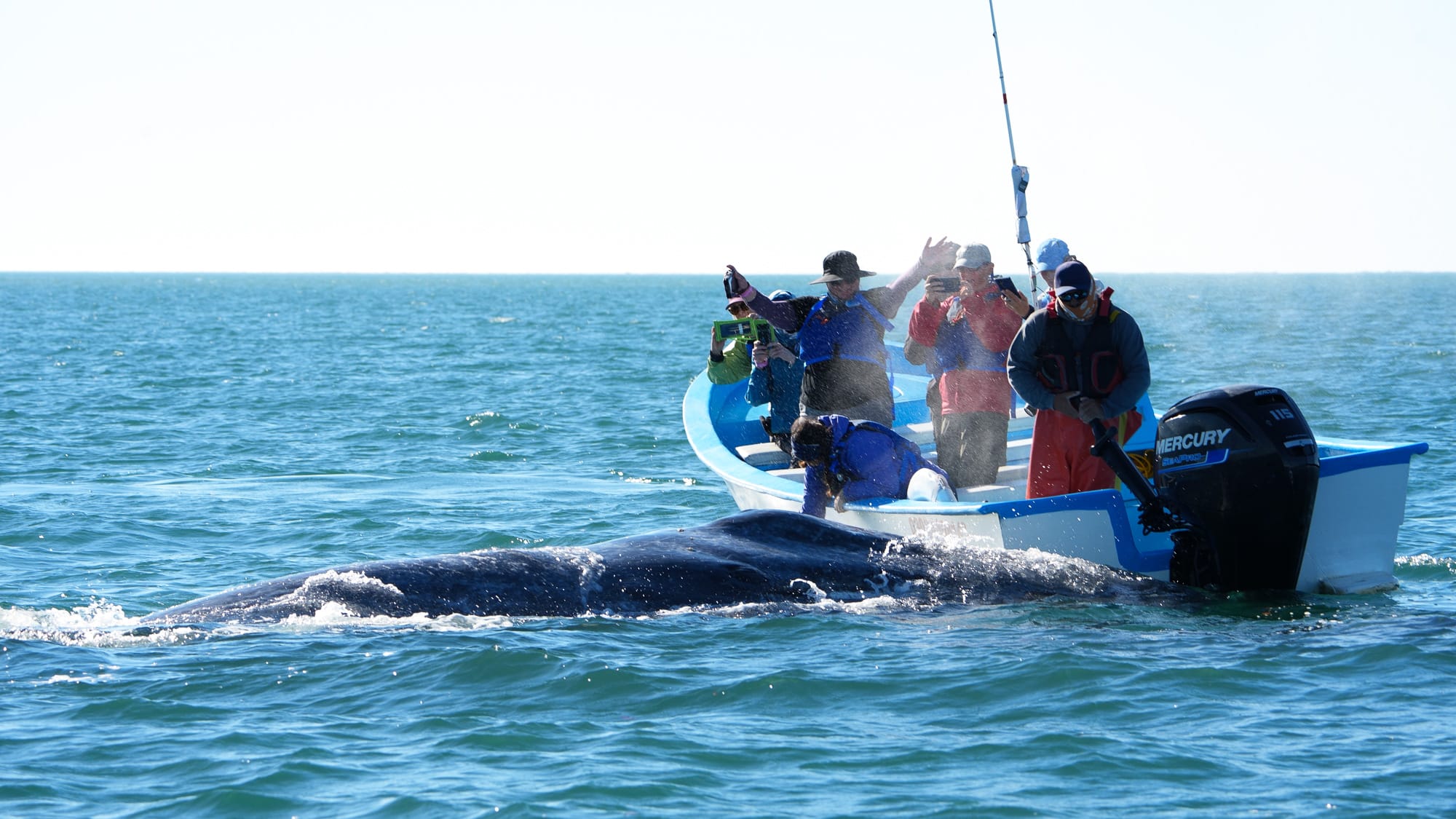
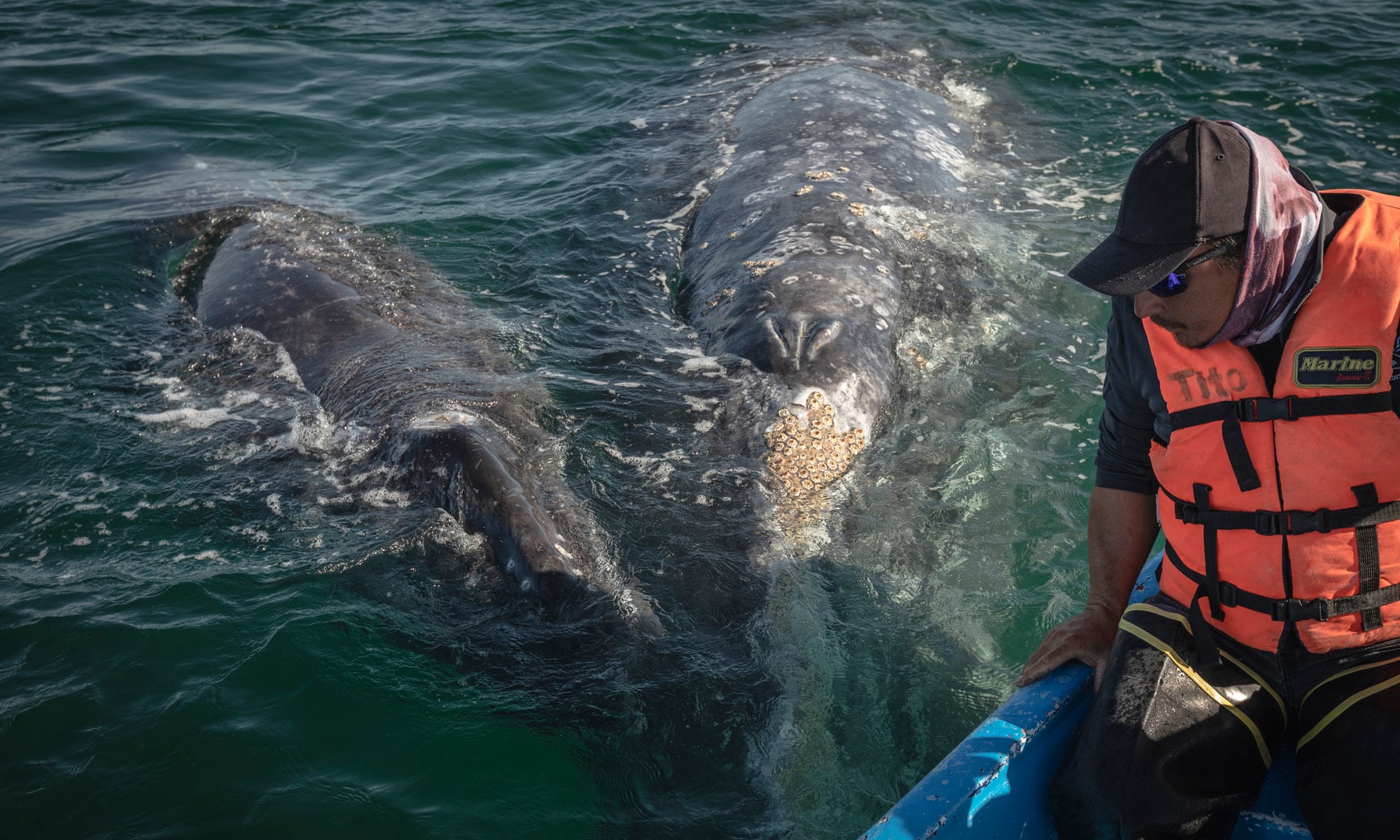
In San Ignacio Lagoon, some curious gray whales may voluntarily approach the boats closely. This is where questions like “are gray whales friendly?” come up. They’re certainly known for their curiosity, but they’re still wild animals. If a whale approaches, enjoy the moment; don’t chase it or try to make it happen.
Occasionally, an individual or mother and calf pair may come close enough for an extraordinary encounter involving touching a gray whale. These moments happen entirely on the whale’s terms and should never be encouraged or engineered.
The best thing you can do? Stay curious, listen to your guide, and keep watching the water. You never quite know what’s going to surface next.
After Your Trip: Make the Experience Last
Once you’re back on shore, write down what you saw while it’s still fresh. Which species did you encounter? What behaviours did you notice? Was there a moment that surprised you?
Sharing photographs and stories can help others discover whale watching, while learning more about the animals you’ve seen can turn a memorable trip into a lasting interest in marine conservation.
You can plan the destination, season, and boat. The whales get the final say — and that’s exactly what makes seeing them in the wild so rewarding.
Frequently Asked Questions
What should I consider first when planning a whale watching trip?
Start with the experience you want. Think about which species you’d like to see, where they’re found, the best season for that destination, and whether you’d prefer a short boat trip or a longer expedition.
How far in advance should I book my whale watching trip?
For seasonal destinations and small-group expeditions, booking ahead is advisable, particularly if you have fixed travel dates. Popular departures can fill quickly during peak wildlife seasons.
What gear is essential for a successful whale watching trip?
Layers, sun protection, comfortable non-slip footwear and a waterproof outer layer are the essentials. Binoculars and a camera with some zoom are useful extras. If you are susceptible to seasickness, plan ahead.
How can I plan a whale watching trip that’s eco-friendly and responsible?
Start by choosing an operator that follows local wildlife regulations, prioritizes animal welfare, and employs experienced guides. Once you’re on the water, responsible whale watching means observing rather than interfering — never chasing or feeding wildlife, and allowing animals to decide how close they want to come. Viewing rules vary by region and species, but NOAA Fisheries’ marine life viewing guidelines offer a useful resource for responsible marine wildlife encounters.

By Baja Expeditions Crew
The Baja Expeditions crew is the heart and soul of every journey. With decades of hands-on experience in marine biology, guiding, and local ecology, our passionate team shares their knowledge and love for Baja California in every blog post.
View Baja Expeditions Crew