
What Is the Best Time for Whale Watching?
The best time for whale watching depends on one thing above all else: where the whales actually are. Ask any deckhand who’s spent a season chasing blows on the horizon, and they’ll tell you the ocean runs on its own calendar, not ours. Get the timing right, and you might find yourself eye to eye with a curious calf. Get it wrong, and you’ll spend a lot of hours squinting at flat water.
This guide breaks down when and where to go, species by species, so you can time a trip around the whales instead of hoping they show up.
Why Timing Matters for Whale Watching
Whales aren’t wandering the ocean at random. They’re following food and following instinct, moving between nutrient-rich feeding grounds and sheltered waters where they breed and raise calves. That migration is the whole reason whale watching seasons exist in the first place.
Miss the window and a species can vanish from a coastline for months at a time. Hit it right, especially during calving or feeding peaks, and encounters can get closer, more frequent, and more memorable. That’s why anyone chasing the best whale watching experience plans the trip around the animal’s biology first and everything else second.
Whale Watching Seasons Around the World
Because different oceans host different species at different times, the best time for whale watching depends on where you’re headed.
Winter & Early Spring
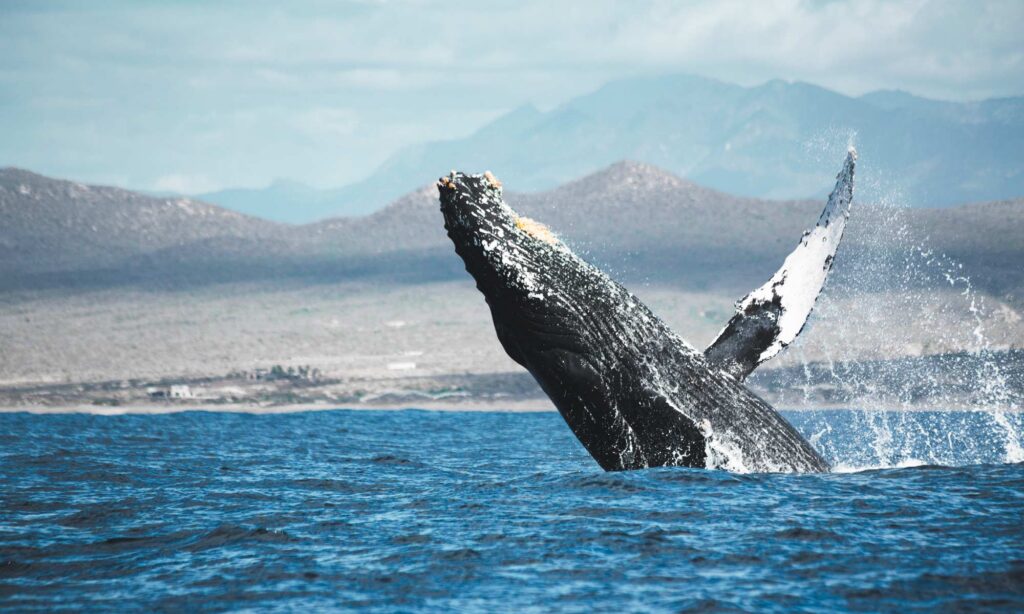
Winter is prime time in warm, tropical, and subtropical waters, where whales gather to mate, give birth, and nurse young. Hawaii’s humpback season runs roughly December through May, peaking in February. Baja California’s gray, humpback, and blue whale seasons all fall in this same time frame, generally December through April.
Late Spring & Summer
As calves grow strong enough to travel, many whales head back toward the poles. That means summer belongs to the feeding grounds. Alaska and the Pacific Northwest hit their stride from June through September, when humpbacks, fins, and minkes gather to bulk up on krill and schooling fish. Iceland runs a similar June-to-August season, with nearly round-the-clock daylight to boot.
Fall/ Autumn & Shoulder Seasons
Fall is transitional; some populations are still on the feeding grounds, others are already underway on the long swim south. Sightings can still be strong in places where whales linger later in the season or where there are resident populations. So, if you’re flexible on timing, shoulder months are worth a look.
Best Time for Whale Watching by Species
Seasons around the globe matter, but the sharper question is always: which whale, and when.
Gray Whales
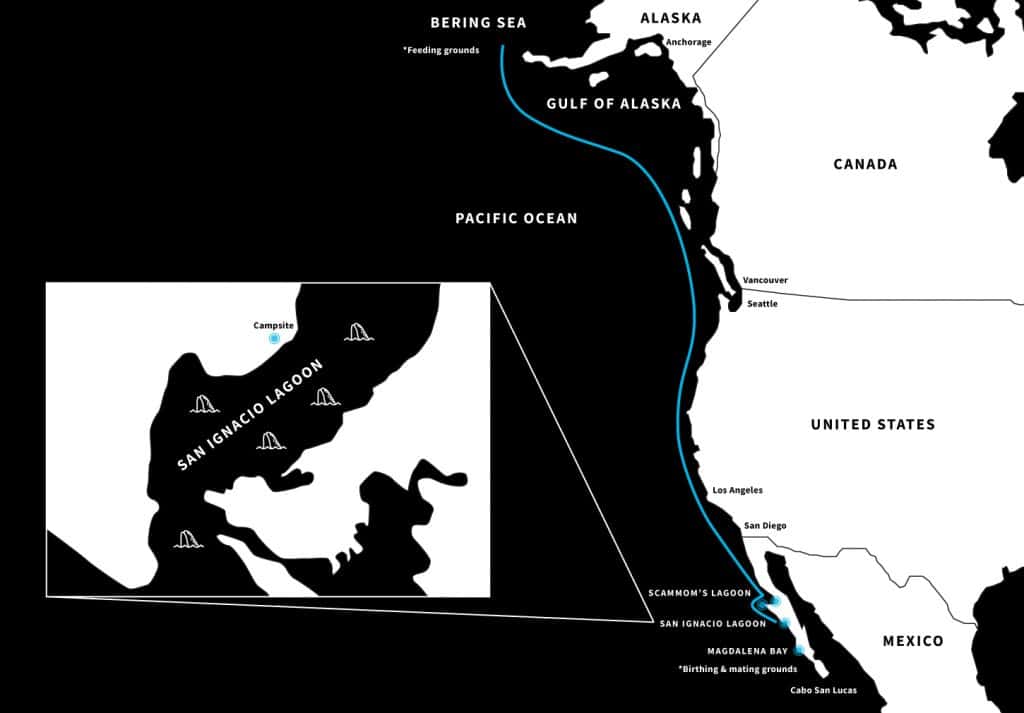
Eastern Pacific gray whales make one of the longest migrations of any mammal, roughly 10,000 to 12,000 miles round trip between the Arctic and Mexico.
That journey ends in Baja’s Pacific lagoons, where UNESCO has designated Laguna Ojo de Liebre and Laguna San Ignacio as the Whale Sanctuary of El Vizcaíno. It’s the only calving and nursery ground in the world for the Eastern Pacific gray whale population. The season there runs December through April; more on exactly when to go further down.
Humpback Whales
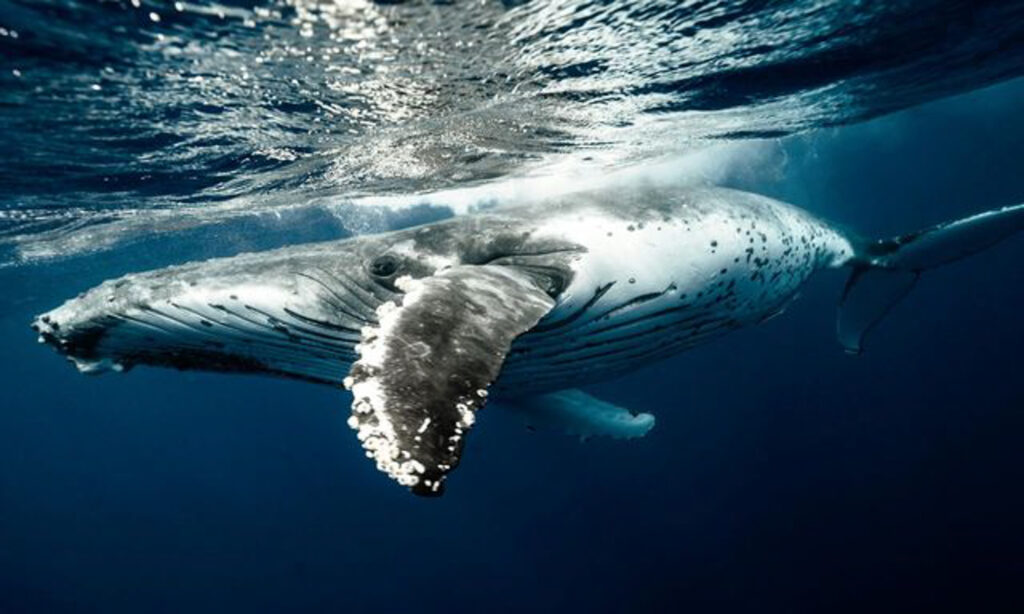
Humpbacks split their year between polar feeding grounds and tropical breeding waters, fasting for months on stored fat while they mate and calve. Per the International Whaling Commission’s Whale Watching Handbook, Northern Hemisphere populations run the opposite schedule to Southern Hemisphere ones. For Baja and Hawaii, that means a winter breeding season, roughly December through April, followed by a summer feeding season up north from June through September.
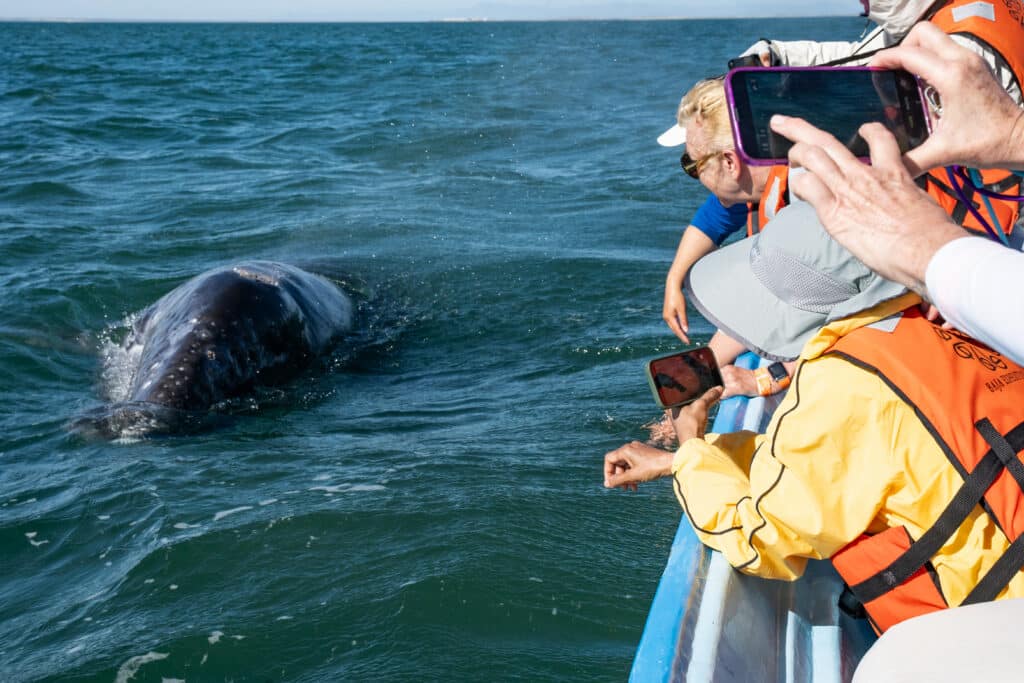
Early March tends to deliver. One captain’s log from the Sea of Cortez read: “So far we have spotted mobulas, dolphins, about 5 humpbacks and 4 blue whales minimum. This morning’s highlight was a momma humpback whale and her very curious calf getting super close to our vessel.” Mother-calf pairs like that are exactly what the peak spring season is built around.
Blue Whales & Others
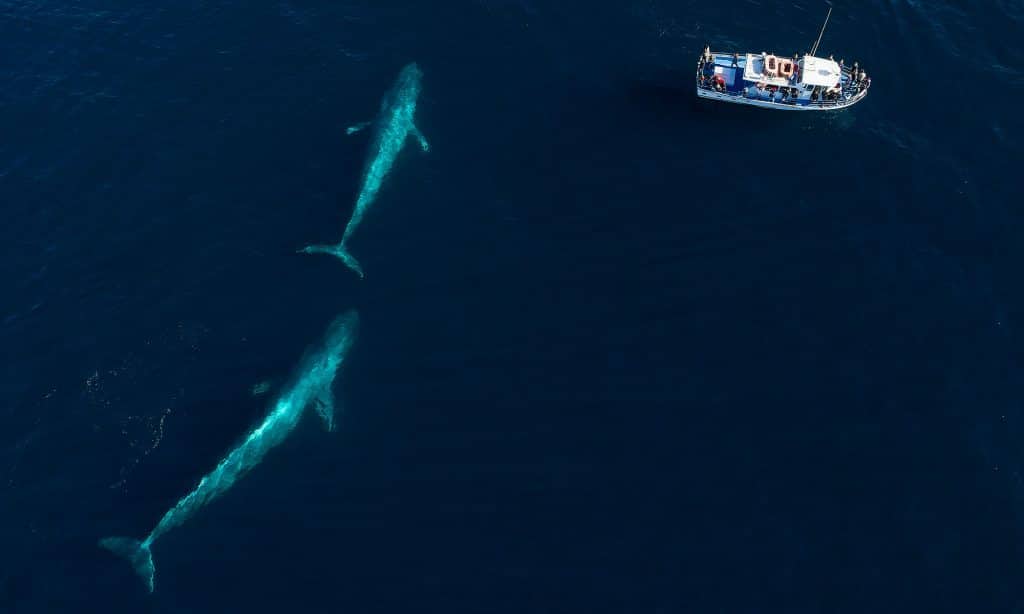
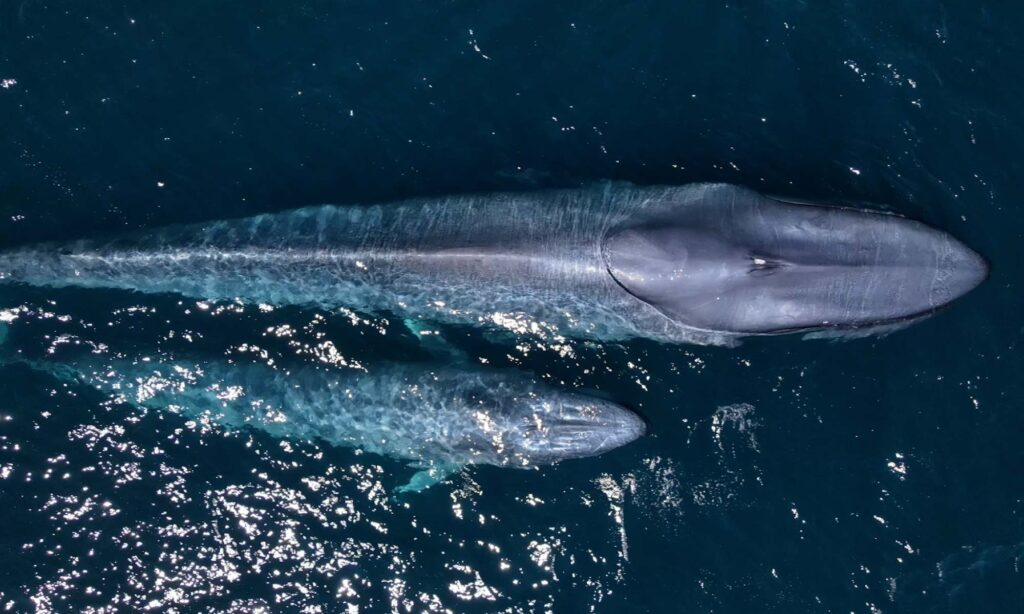
Blue whales are trickier customers. In Mexico’s Sea of Cortez, the world’s largest animal shows up around Loreto from February into March. This narrow window draws whale watchers from everywhere for a shot at the biggest show on the water. Fin whales, meanwhile, keep a resident population in the Sea of Cortez year-round. During spring they are often spotted closer to shore, making them a more reliable sighting.
Some days the water simply delivers. One captain’s log from early March put it plainly:
“So far, we have spotted mobulas, common and bottlenose dolphins, blue, humpback, and fin whales. The highlight was about 5 whales at the same time. A blue whale, named Mr. Fluke by our guests, showed his fluke several times; great photos were taken.”
That’s the Sea of Cortez sightings you can expect on a good day, not just the exception.
A few days earlier, on one of our Sea of Cortez ocean safaris, another log read: “So far we have spotted mobulas, dolphins, a juvenile humpback whale and a blue whale. This morning’s highlight was the juvenile humpback whale getting very close to our vessel; we shared over an hour with that curious whale.” An hour with a young humpback isn’t an unusual experience out here. It’s just what a calm day on the water can look like.
When to Go Whale Watching in Baja California
Baja is one of the rare places on earth where you don’t have to pick just one species, which is exactly why the best time for whale watching here is so flexible. It’s what makes Baja California whale watching tours some of the most efficient itineraries anywhere. As the Oceanic Society notes, most of Baja’s whale species are present at the same time each year, from late December to early April. The Pacific lagoons handle the gray whales in Baja‘s calving grounds. The Sea of Cortez, around Loreto and La Paz, brings in blue whales, humpbacks, and resident fins.
Best Months for Gray Whales in Baja
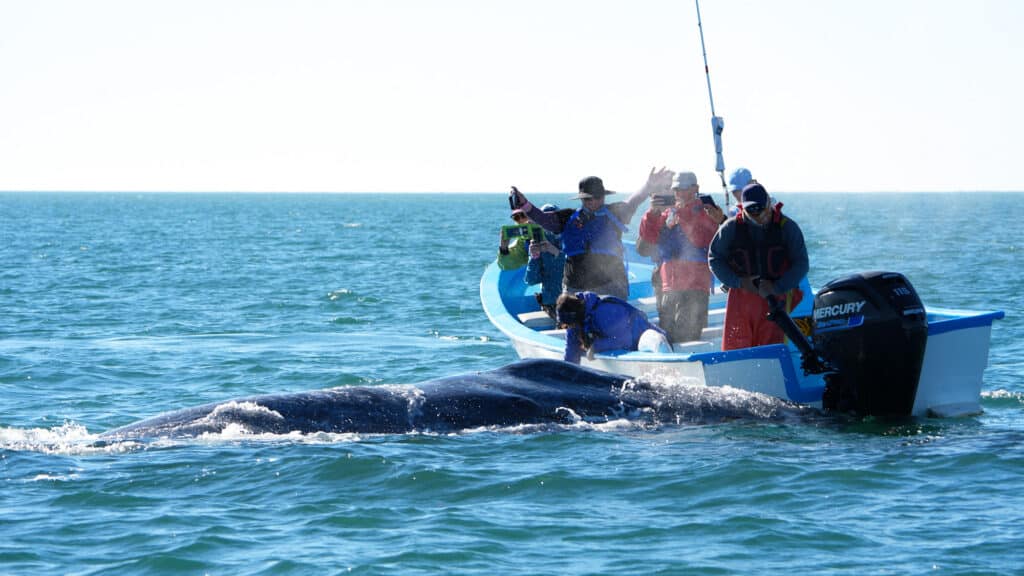
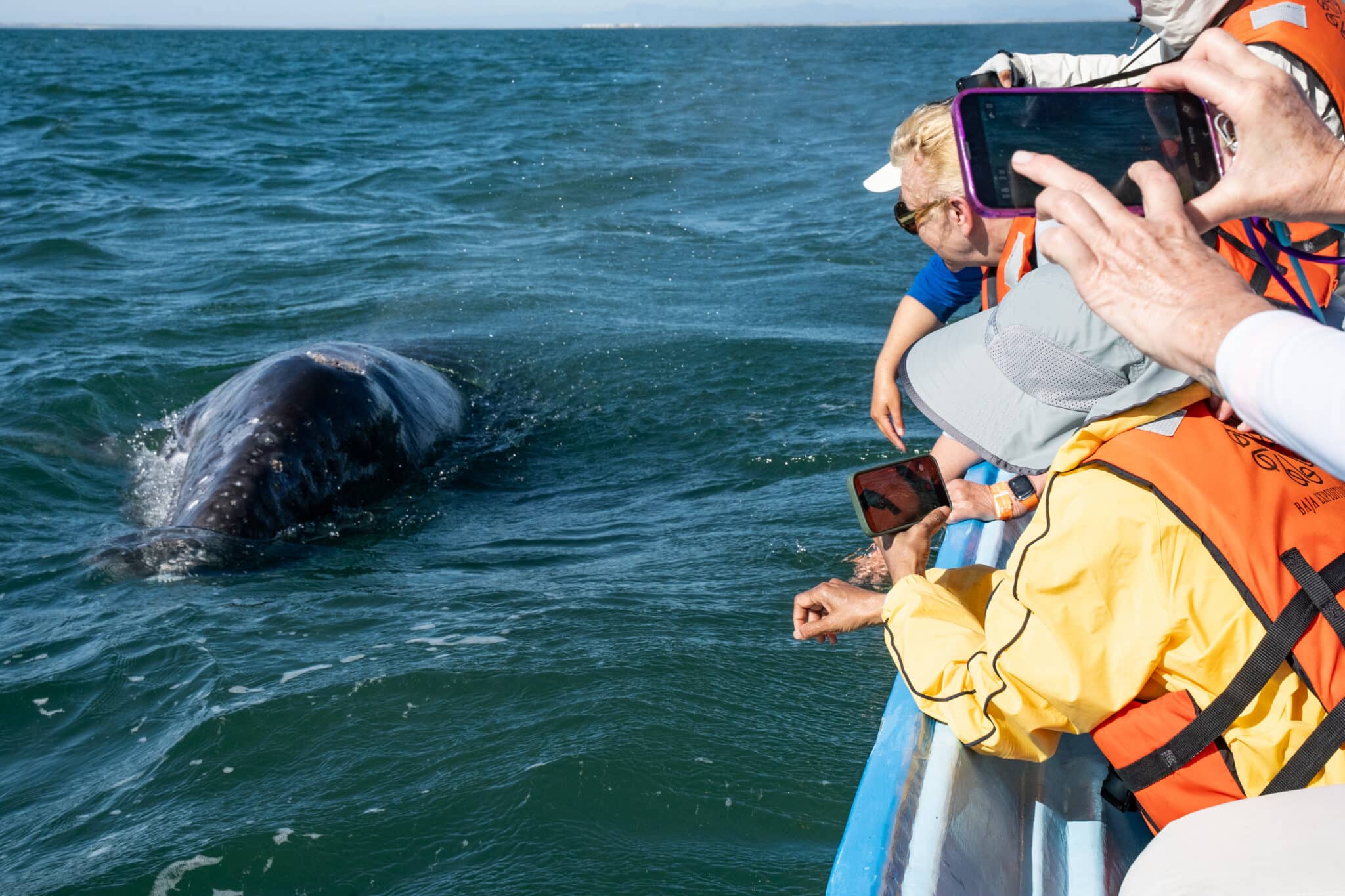
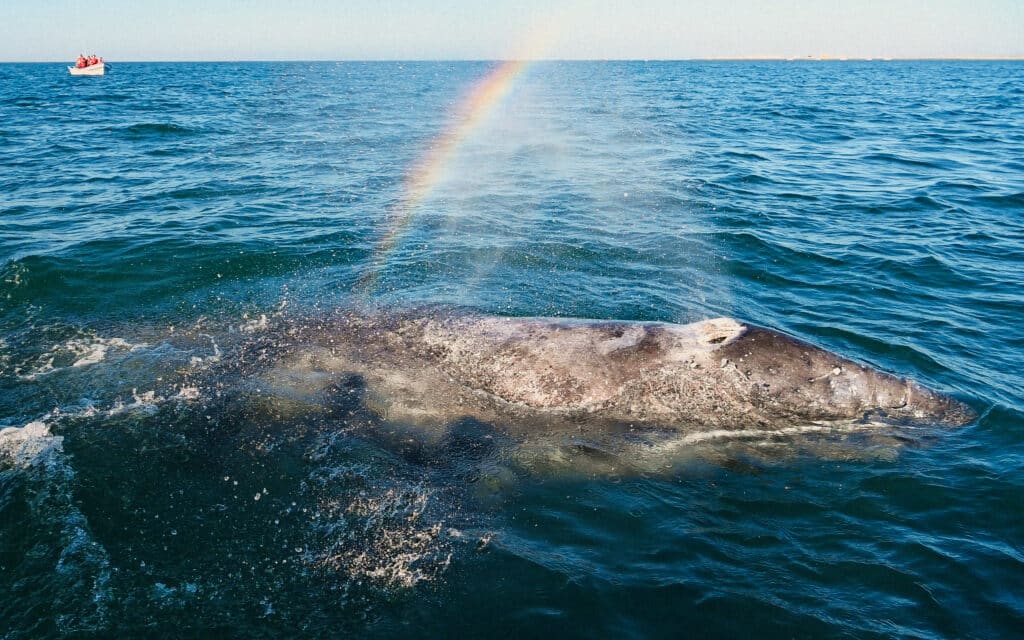
If gray whales are the target, February and March are the sweet spot for San Ignacio Lagoon whale watching. That’s when mothers and calves cruise coastal lagoons like San Ignacio, and when calves are old enough to grow curious about the boats sharing their water. Whales start arriving in late December, but the volume, and the closeness of the encounters, builds steadily until that February-March peak, before tapering off through April.
Ask anyone who’s experienced the lagoon at the best time, and you’ll hear the same thing. One guest summed up a March trip to San Ignacio like this:
“I learned so much about our beautiful friends, the gray whale… Best part… getting snotted by whales. YAY!”
It’s not the kind of detail you can manufacture, and it’s a big part of why touching gray whales has become part of the San Ignacio story.
Baja Expeditions Whale Watching: Seasonal Highlights
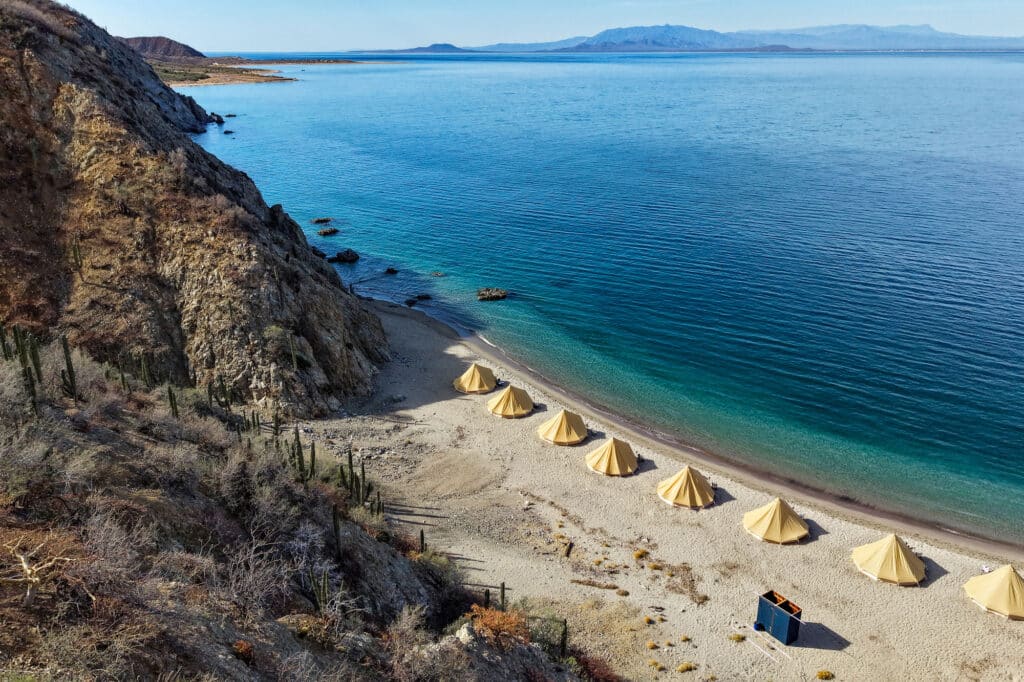
We’ve spent decades on these waters, and the pattern holds up season after season: December through April is when Baja comes alive with whales. Our gray whale glamping camps put you right on the shore of the lagoon during peak calving season. The chance of a curious calf nosing up to your panga is about as close an encounter as wildlife travel gets. Head into the Sea of Cortez around the same time, and you’re in blue whale territory. Can you imagine drifting alongside the largest animal to ever exist on this planet?
No operator can promise a sighting; that’s not how wild animals work. What we can promise is an experienced crew, and a trip timed to give you the best shot at it. What’s the best approach with whale watching? Show up when the ocean’s calendar says to, and let the rest happen on the whales’ terms.

Frequently Asked Questions
How does the best time for whale watching vary by whale species?
It comes down to what each species is doing that time of year. Gray whales peak in Baja’s lagoons in February and March. Humpbacks follow a wider window, roughly December through April in warm breeding grounds like Baja and Hawaii, then June through September up in their northern feeding grounds. Blue whales are narrower still, with the Sea of Cortez’s best window running from February into March. If you’re chasing more than one species, that overlap in Baja’s winter months is what makes it such a special place to go.
Are gray whales friendly?
It’s one of the most common questions we get, and it’s a fair one; trusting a 40-ton wild animal isn’t nothing. In San Ignacio Lagoon, mother whales are known to approach boats on their own, a behavior that’s made this stretch of Baja famous. Curious as they are, are gray whales friendly is worth reading before you go, since contact is always initiated by the whale, never sought by guests.
What about whale watching in Cabo San Lucas?
Cabo sits along the migration corridor, so whale watching in Cabo San Lucas is possible throughout the winter season. It’s mostly humpbacks passing offshore on their way to and from the Sea of Cortez. Day trips out of Cabo run through our sister company, See Creatures, and they’re a solid option if you’re already Cabo-based. That being said, the lagoon encounters further north and the Sea of Cortez safaris tend to put you in the water with whales for longer.

By Baja Expeditions Crew
The Baja Expeditions crew is the heart and soul of every journey. With decades of hands-on experience in marine biology, guiding, and local ecology, our passionate team shares their knowledge and love for Baja California in every blog post.
View Baja Expeditions Crew